
Nightlife in Australia has never been static. What people do after sunset tends to reflect broader cultural shifts. Music, technology, social habits, and even health awareness shape how evenings unfold.
Over the past decade, the biggest shift has come from Gen Z. Their approach to nightlife looks noticeably different from what older generations experienced. The loud club culture that dominated the early 2000s has not disappeared, but it is no longer the only option.
Instead, nightlife has become more varied, more flexible, and in many ways more personal.
The Traditional Nightlife Scene
For many years the structure of nightlife was predictable.
A typical weekend for young adults often followed a familiar pattern. Friends gathered late in the evening, visited a few bars, and eventually moved toward crowded nightclubs that stayed open until early morning.
Music was loud, drinks flowed freely, and socialising revolved around large venues. The energy was high, but the experience was often intense and structured around drinking culture.
This model shaped nightlife for decades.
What Gen Z Is Doing Differently
Gen Z still enjoys going out, but their definition of nightlife has broadened.
Many prefer social experiences that feel less pressured and more balanced. Rather than committing to a full night in one crowded club, younger Australians often mix different activities into the evening.
A night out might include:
- Dinner with friends at a casual restaurant
- Live music at a smaller venue
- Late evening dessert cafés
- Night markets or pop-up events
- Beach walks or rooftop gatherings
The evening becomes more fluid rather than focused on a single destination.
Social Media Changed the Way Nights Are Planned
Planning a night out used to involve phone calls and group texts. Today it often begins online.
Social media platforms influence where people go and what they do. Restaurants, rooftop bars, live events, and art spaces often gain attention through short videos or posts shared by friends.
As a result, nightlife locations can change quickly. One venue might become popular for a few months before attention shifts somewhere else.
The nightlife landscape is now more dynamic than it was ten years ago.
Drinking Culture Is Becoming More Moderate
Another noticeable shift is how younger Australians approach alcohol.
Previous generations often associated nightlife with heavy drinking. Gen Z tends to be more moderate. Some still enjoy drinks with friends, but others prefer alternatives such as alcohol-free cocktails or simply focusing on the social atmosphere.
This change reflects broader health awareness and lifestyle priorities.
Nightlife Is Expanding Beyond Clubs
Cities across Australia now offer a wider variety of evening activities.
Night markets, late-night cafés, outdoor film screenings, cultural events, and small music performances provide options that did not always exist in earlier nightlife scenes.
This diversity allows people to socialise without committing to the traditional bar-to-club routine.
For many young adults, the experience matters more than the location.
Digital Retail and Lifestyle Habits Also Play a Role
Lifestyle changes also influence how young Australians interact with consumer culture during their evenings.
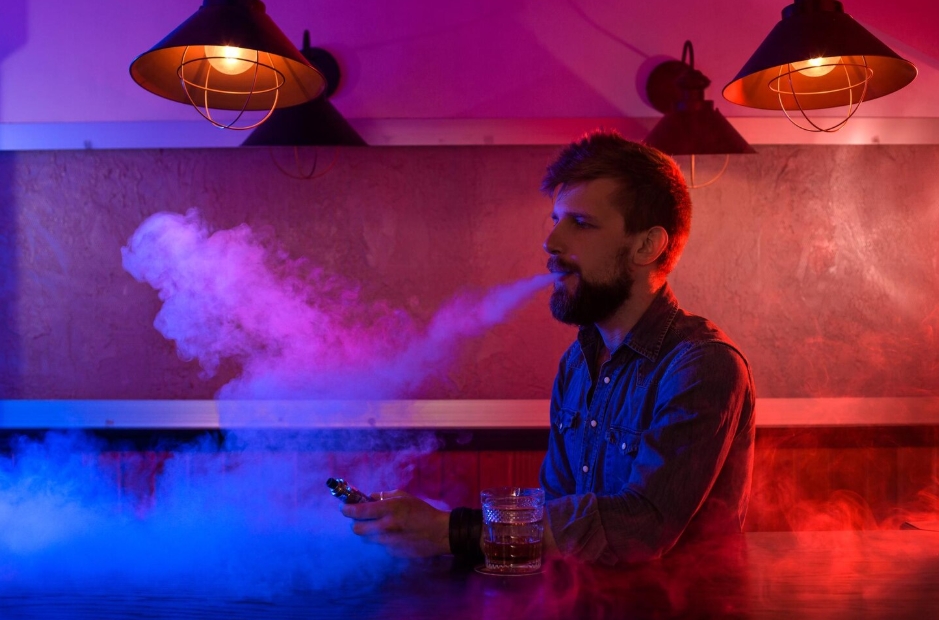
Shopping and browsing often happen online rather than during daytime store visits. Even niche retail categories now exist largely in digital spaces, including products accessed through online vape shops
This shift reflects how digital convenience shapes modern routines, including nighttime habits when people are relaxing at home or socialising with friends.
The Role of Smaller Social Circles
Another difference is the size of social groups.
Large club gatherings still exist, but many Gen Z groups prefer smaller, more intimate settings. Rooftop apartments, backyard gatherings, or relaxed bars provide space for conversation rather than loud music.
The goal is connection rather than spectacle.
Technology and Nightlife Intersect
Technology quietly supports these changes.
Navigation apps help people discover new venues. Ride-sharing services make travel between locations easier. Event platforms allow people to find concerts, pop-ups, and social gatherings happening nearby.
Nightlife is no longer limited to a few well-known clubs. It has become a network of smaller experiences connected through digital tools.
A New Kind of Night Out
The evolution of nightlife among Gen Z does not mean traditional clubs are disappearing. They still exist and remain popular for certain events.
What has changed is the variety of choices.
An Australian night out today might involve dinner, a small music venue, a late-night dessert spot, and a quiet walk along the waterfront before heading home.
Instead of one intense destination, nightlife has become a sequence of smaller moments.
And for many young Australians, that feels far more enjoyable.